



【 Laiwo Medical: Knowledge Sharing 】 Cold Knowledge: Awakening a sting doesn't sound like thunder, but your nose will 'thunder'
Publish Date: 2026/3/5
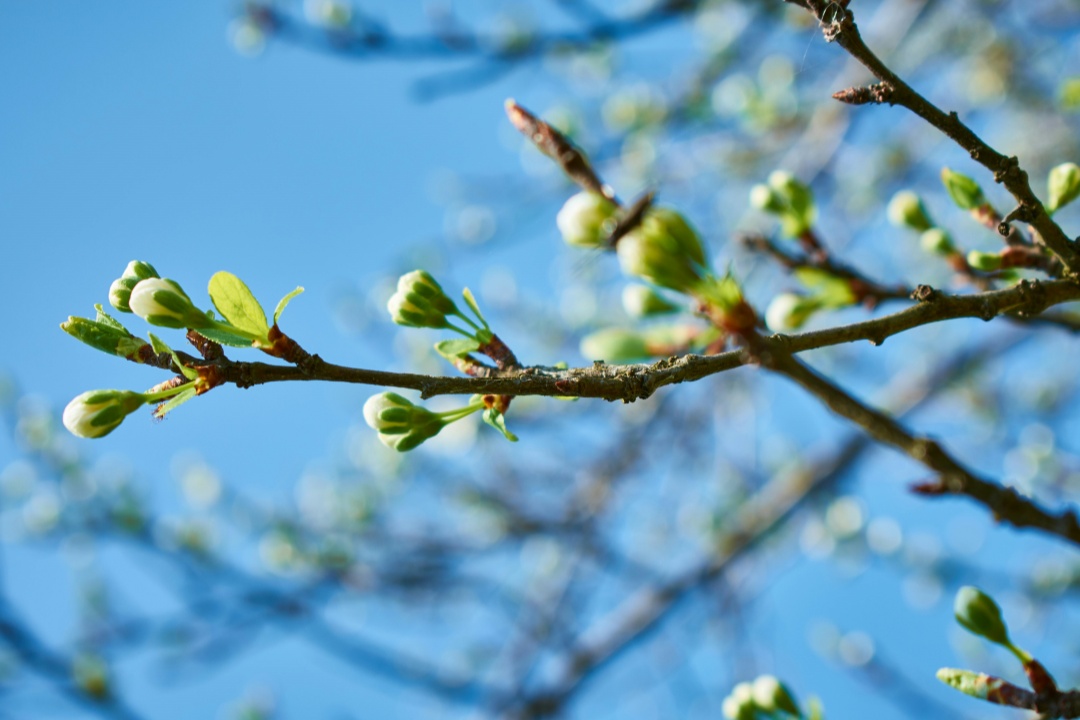
As the old saying goes, "Awakening the sting, all things grow." When spring thunder strikes, dormant insects wake up, and the flowers and plants on the branches revive again and again. Only then can spring truly begin. But in this season when everything is doing well, some people are happy and some are sad - outside the window, the sunshine is just right and the breeze is brushing against my face, but I have a runny nose and sneezing, like my nose is "thundering". What's even more frustrating is that friends who don't have rhinitis problems around them still look puzzled: "The flowers haven't bloomed yet, why are you suffering from rhinitis?" Strangely enough, before and after the awakening of the sting, their noses are like setting an alarm clock, "clocking in to work" on time.

Let me share some cold knowledge with you first: our nose is actually the "constant temperature air conditioner" that comes with the human body. The nasal cavity is filled with fine blood vessels, whose core function is to warm and regulate the inhaled air, making the air entering the body milder and protecting the respiratory tract from irritation. This was originally a sophisticated self-protection design of the human body, but it encountered a "problem" during the Awakening of Insects season - there is a large temperature difference between day and night, and the alternation of hot and cold is frequent and rapid. Our nose cannot adapt to this rapid switching, which leads to congestion and swelling of the nasal mucosa, nasal congestion, runny nose, sneezing and other discomforts. It is like the nose experiencing a "roller coaster" like test every day.

In addition to the "invisible pusher" of temperature difference, another "culprit" is the allergen that quietly "awakens". We always think that rhinitis is caused by pollen, but in fact, before and after the Awakening of Insects, the first things that "cause trouble" are not pollen, but dust mites and mold. As the temperature warms up and the humidity gradually increases, the blankets, pillows, mattresses, as well as the crevices in the corners of the walls and the soil in flower pots at home have become "breeding grounds" for dust mites and mold. Their excrement will float with the air, and once inhaled into the nasal cavity, it will trigger an allergic reaction in the nasal mucosa, leading to the onset of rhinitis.
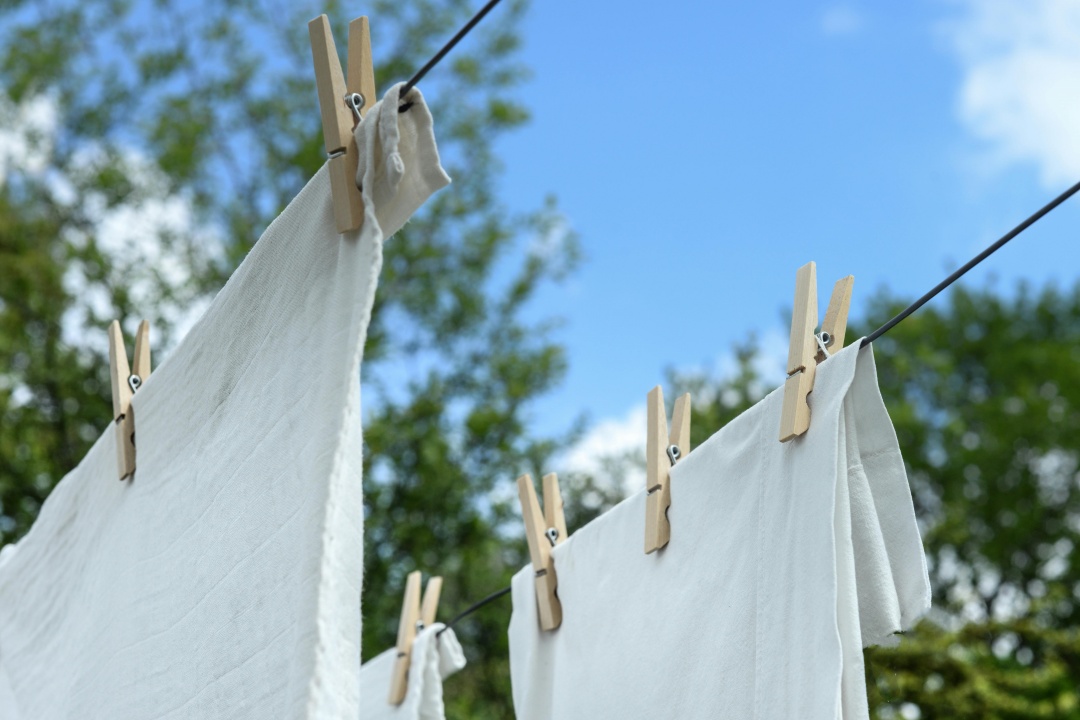
To get through this season smoothly, you can start with a few small things. Firstly, keep your nose warm. Wearing a mask when going out can not only reduce the direct stimulation of cold air on the nasal cavity, but also block the inhalation of allergens such as dust mites, mold, and pollen. Secondly, do a good job in removing mites and preventing mold in the home environment. Wash and sun dry blankets and pillowcases frequently, maintain indoor ventilation and dryness, promptly clean corners such as corners, washbasins, flower pots, etc. that are prone to mold, and reduce the breeding of allergens from the source. Furthermore, do not neglect daily care. Daily nasal washing with normal saline or seawater nasal spray can effectively wash away the allergens and secretions attached to the nasal cavity, alleviate nasal congestion and runny nose, replenish water and moisture for the nasal mucosa, and help repair the damaged barrier function.

Laiwo Medical reminds everyone that the above are just daily care tips that can help alleviate mild discomfort. If your symptoms are severe, such as frequent sneezing, runny nose, or even affecting normal life and sleep, it is important to seek medical attention promptly and not delay. Jingzhe is the season for the revival of all things. I hope everyone can get rid of the troubles of rhinitis, breathe smoothly, embrace this vibrant spring time, and live up to every warmth and beauty.
 for reference only