

【Laiwo Medical: Knowledge Sharing】Don't be fooled by "dietary therapy for scar removal"! These foods will only slow down the repair process
Publish Date: 2026/4/16
Scars are left on the body, and who wouldn't want them to fade away or even disappear quickly? Therefore, various "scar removal recipes" and "taboo lists" are flying around online, and many people believe them to be true. Trying them not only fails, but the scars become even uglier.
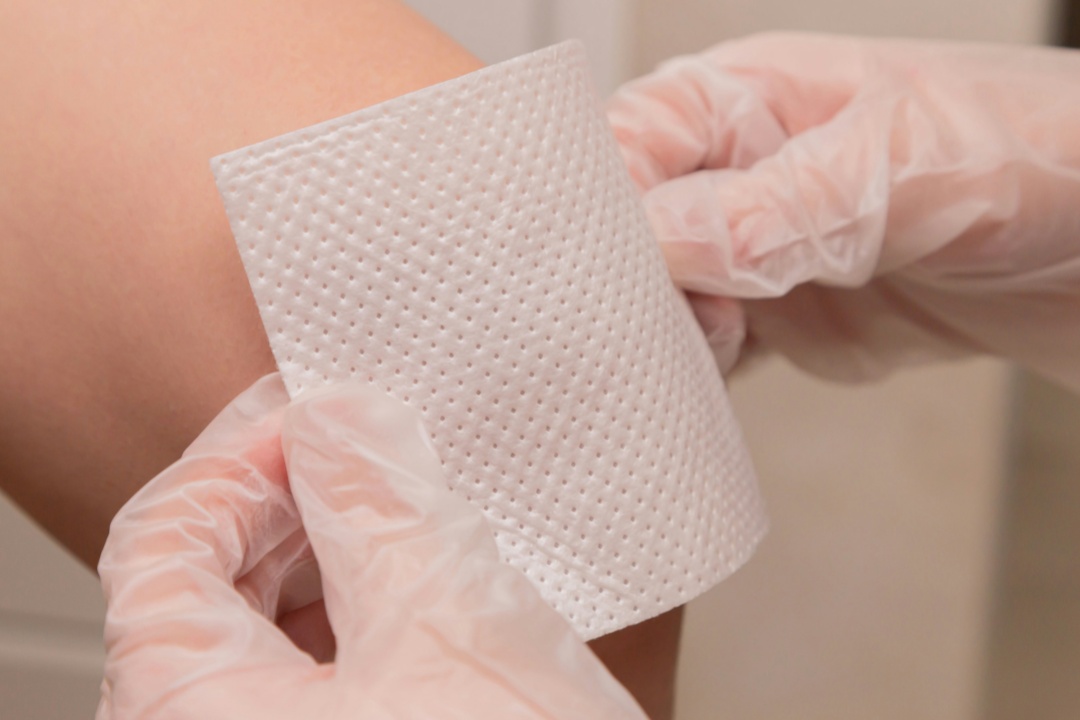
In fact, there is a common misconception here: scar recovery mainly relies on the skin's own repair ability, which is most closely related to personal constitution and wound care methods. Food can only have an auxiliary effect, but it can indeed affect two key processes - inflammatory response and the quality of collagen. Eating right is to provide high-quality "building materials" for the body; Eating the wrong food is like throwing garbage at a construction site, which actually backfires.
high-sugar foods
Many people know that they should avoid spicy food when they have scars, but they often overlook high sugar foods. When there is an excessive intake of sugar in the body, a process called "glycation reaction" occurs. For scar repair, glycation can damage the structure and quality of collagen, which can easily lead to hardening and protrusion. At the same time, glycation reactions can exacerbate local inflammation, making it red, dull, and noticeably darker in color than the surrounding skin.
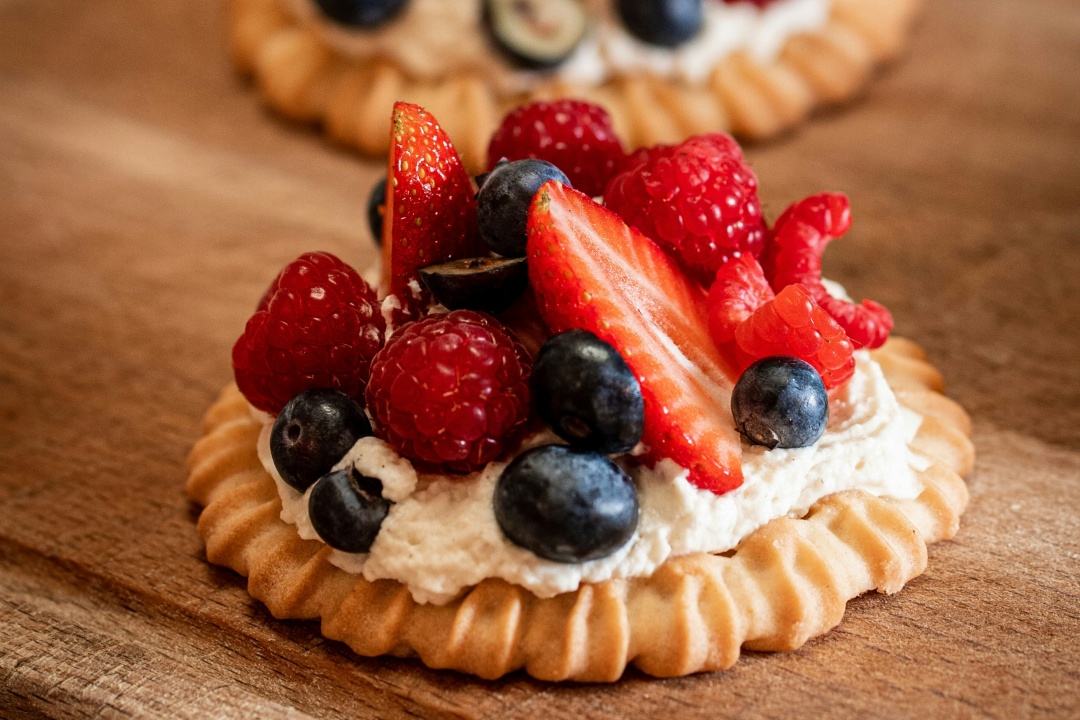
If you are troubled by scar problems, you may want to reduce your intake of high sugar foods such as milk tea, cakes, and desserts first. This is not only for body management, but also to create a cleaner and easier to repair body environment for scars.
Greasy and high-fat foods
Fried chicken, French fries, deep-fried dough sticks... If you eat too much of these high-fat foods, your body will be in a state of "low inflammation" for a long time. If inflammation persists, the healing speed of the wound will slow down, and scars are more likely to proliferate. In addition, a high-fat diet can also affect sebaceous gland secretion. If scars grow on the face, chest, or back, excessive sebum can easily clog pores and cause folliculitis or acne. The combination of old and new problems will make scars even more unsightly.
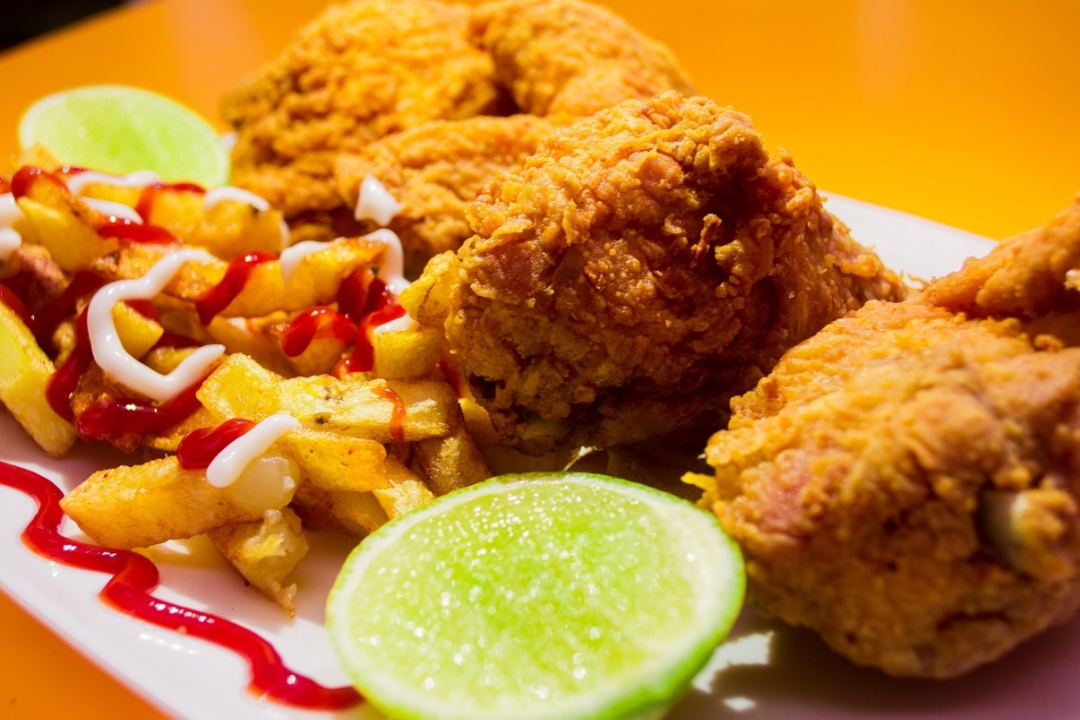
A simple suggestion: During wound healing, eat less fried and greasy food. It's not that you can't eat it at all, but don't eat it every day.
Avoid "volatile substances" in the mouth
There has been ongoing controversy over "organic matter", and many people are afraid to touch seafood, beef, and mutton during scar healing for fear of affecting their recovery. Actually, there's no need to be so extreme: for people with non allergic constitutions, these so-called "substances" usually don't affect scar repair. Moderate consumption can actually supplement protein and help with skin healing. But if you have an allergic constitution or your skin is prone to redness, itching, and rashes after eating seafood, beef, mutton, and other foods, you must be careful. Because allergic reactions can activate additional inflammatory signals in the body, causing the capillaries in the scar area to dilate and become more congested, ultimately leading to the scar becoming redder, more itchy, and even bulging, exacerbating hyperplasia.
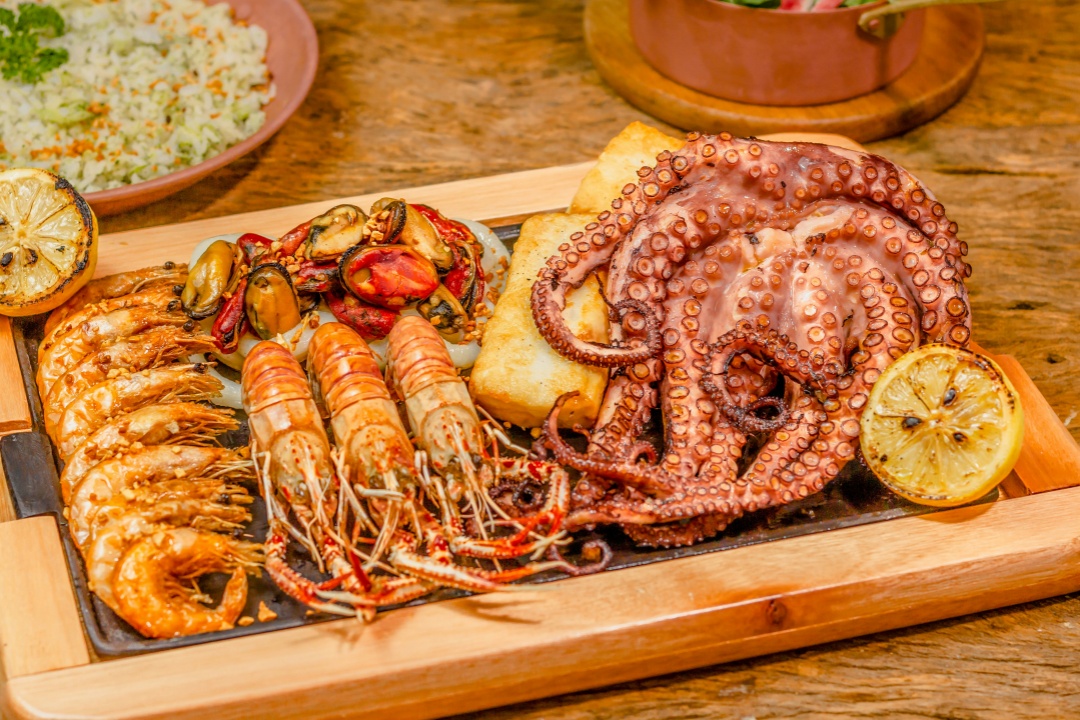
In summary, not everyone should be afraid of "organic matter", the key is to look at one's own physical condition. If you find that the scars are noticeably uncomfortable after eating a certain food, then temporarily stop eating it and don't force yourself.
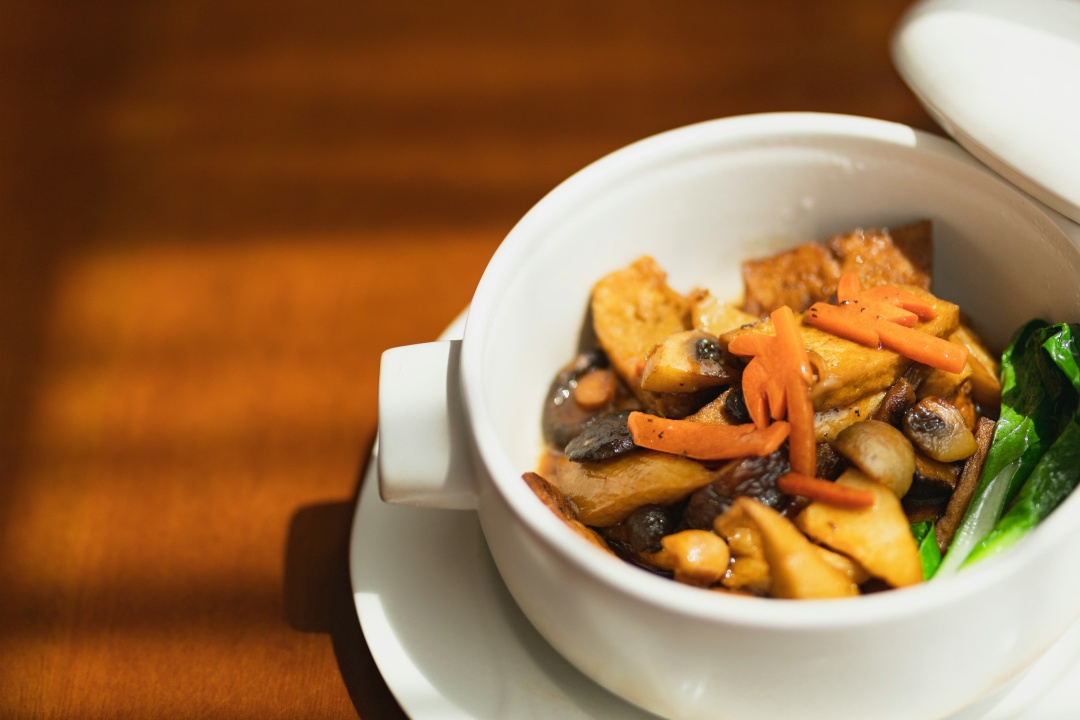
Laiwo Medical reminds everyone that food is a logistical supply, not a special forces unit. It can provide you with high-quality "building materials", but cannot directly direct scar disappearance. If your scar has been formed for more than 3-6 months and still appears red, protruding, itchy, or even severely affects appearance and function, it is recommended to seek diagnosis and treatment at a reputable dermatologist as soon as possible.
for reference only