



【Laiwo Medical: Knowledge Sharing】The Truth of Repeated Acne is All in Your Unintentionally
Publish Date: 2026/4/22
After finally enduring the period of acne, watching the pimples disappear, I thought I would soon have smooth and good skin, but I didn't expect trouble to come one after another. My cheeks turned red and relapsed, small closed mouths appeared, and there were still lingering black and red acne marks. This is not the skin's "lack of pride", but your unintentional "itchy little movements" that quietly disrupt the skin's repair process.
Support your cheeks and face
Many people have a subconscious action: when they place their hands on their faces, they instantly feel relaxed. This action is so natural that we are completely unaware of it. But have you ever thought about how much your hands touch in a day? Mobile phone screens, keyboards and mice, door handles, elevator buttons, bus handrails... These places are covered in oil, bacteria, and dust that are invisible to the naked eye, and every time you hold your chin, you are transferring these "dirty things" to your face with your own hands.

More importantly, the temperature and sustained pressure of the palm during cheek support can cause the local skin temperature to rise, directly stimulating sebaceous glands to work overtime and secrete oil. Originally, just as the acne had subsided and the pores were finally able to catch their breath, they were "covered" by the palm of the hand and turned into the "oil field skin" that is prone to closed mouth and acne. It is only natural for redness and recurrence to occur.

Reminder: Deliberately remind yourself to keep your hands on the table or in your pocket when you have free time, or to take a small object (such as a pen, keychain, etc.) to divert attention; If you can't help but want to support your cheeks, you can put a clean tissue on top to reduce direct contact between your hands and facial skin.
Picking scabs
After acne subsides, a thin layer of crust often remains on the face, dry and slightly raised at the edges. With a touch of your hand, you can't help but want to peel it off. It has to be said that at the moment of removing the scab, there is indeed a feeling of decompression and pleasure, but behind this "pleasure" lies a great hidden danger.
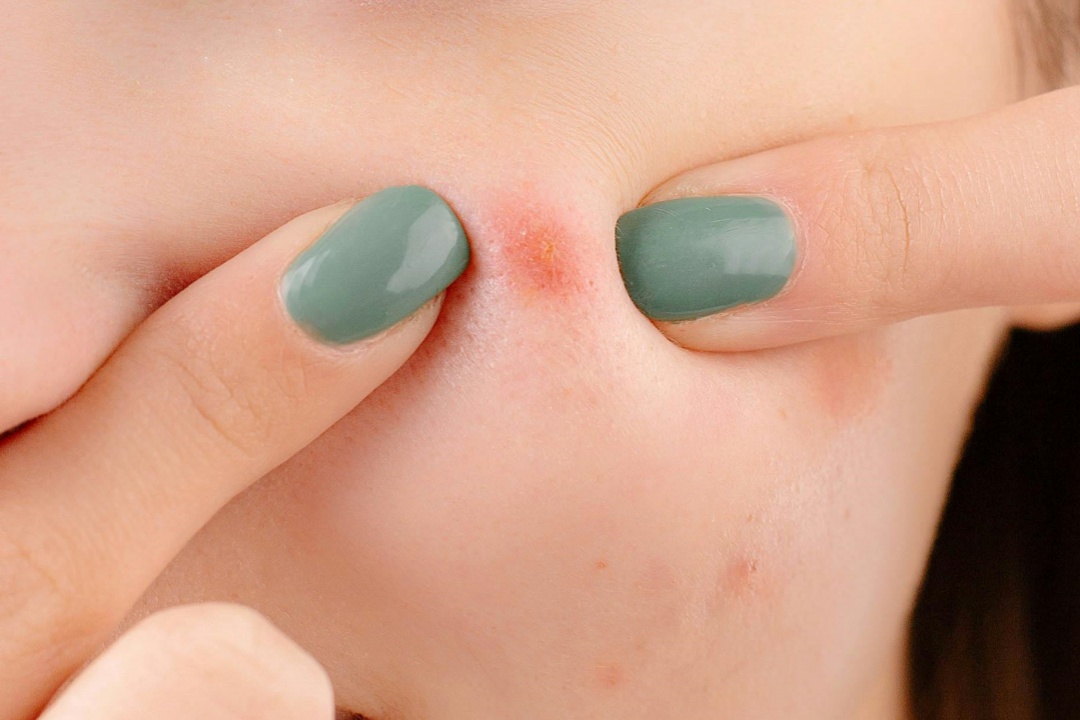
That seemingly excessive scab is actually a "natural band aid" for the skin. Forcefully tearing it off is like peeling off the newly grown tender flesh again. It not only allows bacteria to take advantage of the situation, causing secondary redness and inflammation, but also directly aggravates pigmentation, leaving dark acne scars that are difficult to fade. In severe cases, it may even damage the dermis layer and form permanent acne scars.
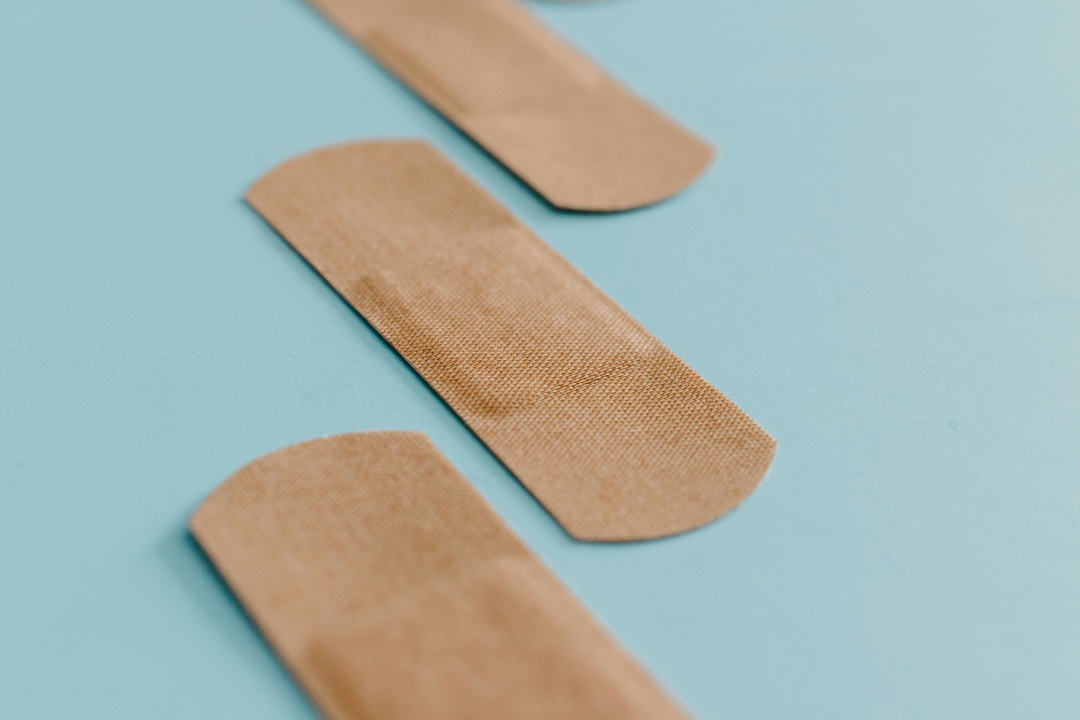
Reminder: If you can't resist, you can apply a pimple patch or cut a small band aid to gently cover it up; After washing your face in the morning and evening, apply a gentle repair cream to gradually soften and flatten the scab.
Frequent hair touching cheeks
Friends with long hair should pay attention. Do you always have the habit of lifting your hair to your chest or frequently covering your forehead with bangs? You should know that while your hair looks clean, it actually hides many "hidden dangers": daily exposure to external dust, impurities in the air, residues of styling products, the stickiness of hair care essential oils, and the sebum secreted by the scalp itself, all of which will adhere to the hair.

And every time the hair brushes against the cheeks and forehead, it "transfers" these dirty things to the face, blocking pores and irritating the skin. Many people have acne that recurs and grows for a long time without a clear reason. In fact, it is quietly "causing trouble", especially when the acne has just subsided and the skin barrier is still fragile. This kind of stimulation is more obvious.

Reminder: During the high incidence or repair period of acne, try to tie up your hair as much as possible. If your bangs are too long, you can temporarily clip them up to reduce repeated irritation to the skin.
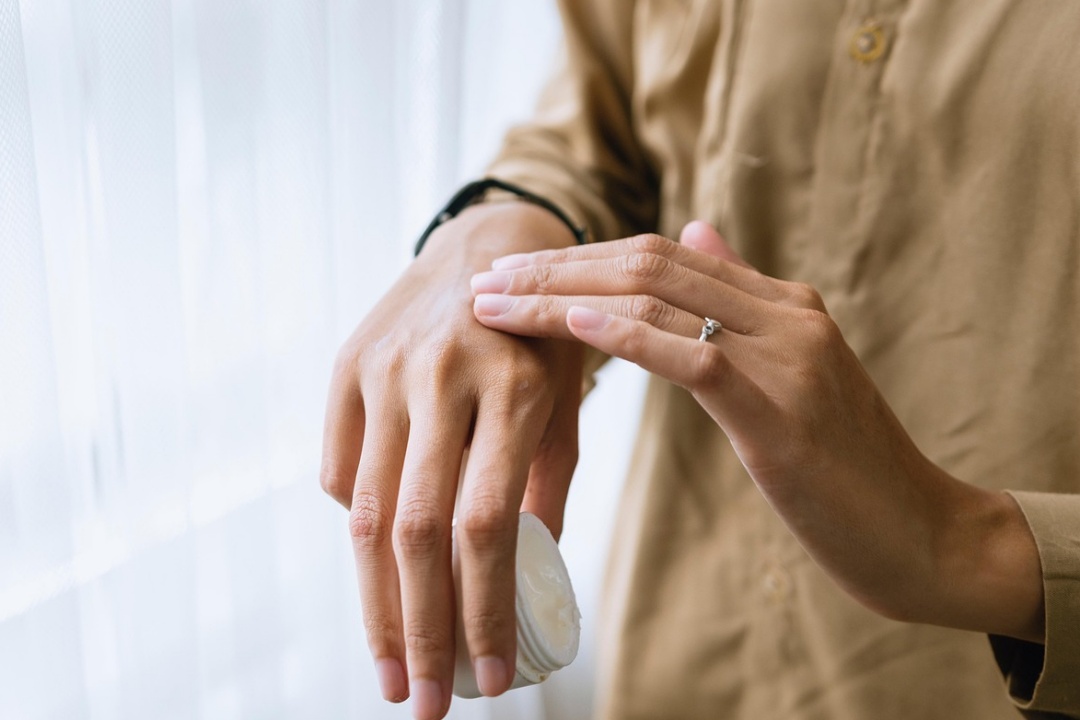
Getting pimples is not scary, what's scary is that even though the pimples have healed, you personally bring them back to your face. Lovol Medical kindly reminds everyone that repairing the skin is like nurturing a wound, requiring patience and more importantly, controlling one's hands. Don't let momentary impatience ruin long-term persistence; Don't let casual touch disappoint the efforts to gradually improve your skin. Gentle care, regular sleep schedule, giving the skin some time, it will gradually fade away from roughness and return to a delicate and smooth state.
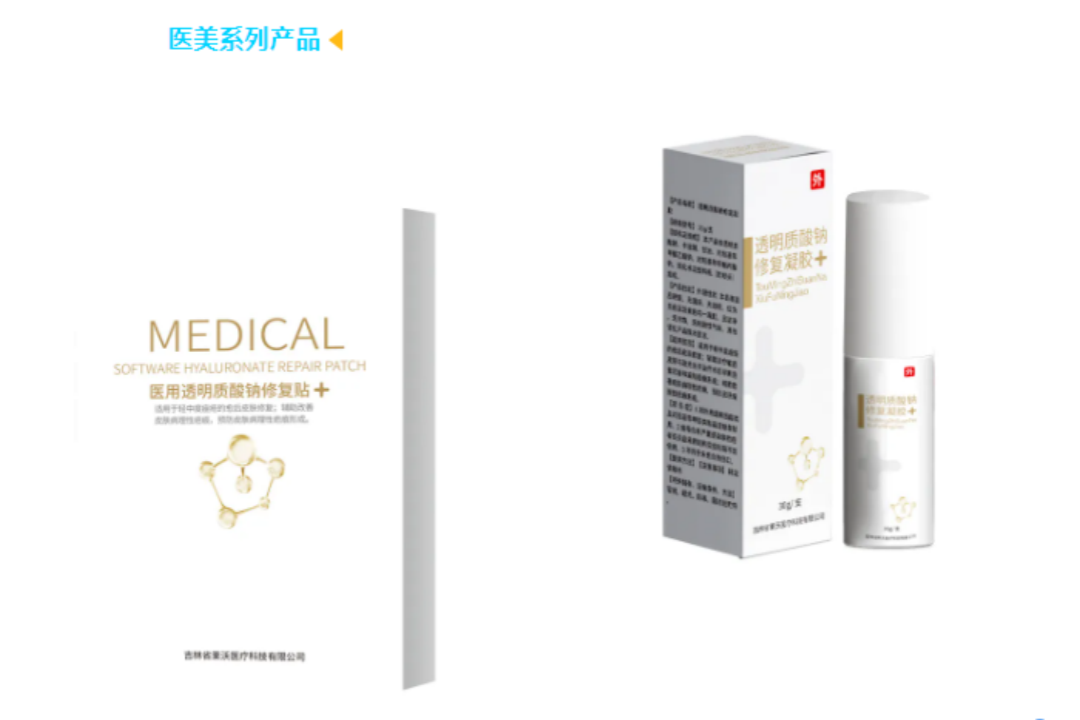
for reference only